How to rent out your property safely: lease, deposit and tenant
Renting out a property sounds simple: someone pays every month and you collect the money. In practice, the problems I see most often do not come from the market. They come from a poorly chosen tenant or a lease drafted in a hurry. And once a problem appears, it can take months to fix.
Almost all of it can be prevented before you hand over the keys. Here is how I work through it with my clients. If you are still deciding whether buying to rent out makes sense, I suggest reading investing in rental property first.
Before renting: get the property ready
A serious tenant looks for a property in good condition and is willing to pay for it. Before you list it:
- Take care of pending repairs: plumbing, wiring, leaks and locks.
- Make sure the electricity and water accounts are up to date, and know whose name they are in.
- If it is an apartment, ask the building's management for the condominium rules and confirm that renting is allowed.
- Take photos and a video of every room on the day you hand it over. You will need them when the lease ends.
Many of the ideas in the article on how to prepare your home to sell apply to renting as well.
How to choose the tenant
This is the most important decision in the whole process. Always ask for:
- A copy of their identity document, or their passport if they are a foreigner.
- An employment letter stating their position, time on the job and salary, or recent bank statements if they are self-employed.
- References from their previous landlord. Call yourself and ask whether they paid on time and how they left the home.
- A joint guarantor, that is, a person with income or property who commits to paying if the tenant does not.
A practical rule: the rent should not be more than a third of the tenant's income. If someone earning RD$90,000 a month wants to rent for RD$45,000, sooner or later they will probably fall behind.
Be wary of anyone in a great hurry, anyone who wants to pay everything in cash without giving their details, or anyone who asks you to skip a step "because they can be trusted".
The lease: what it must include
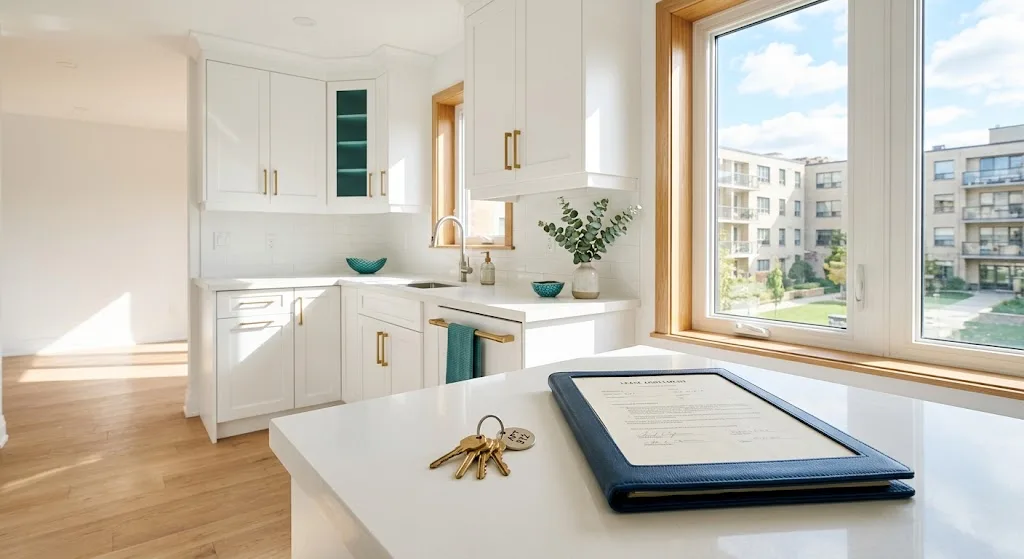
The lease should be in writing, signed by both parties and by the guarantor, and it is advisable to have the signatures notarized. Check that it includes:
This article is about monthly or yearly leases. If you plan to rent by the night, the rules are different, and I explain them in vacation rentals in the DR.
- The parties and the property, with full details.
- The rent, the currency and the payment date. If the rent is in US$, say so explicitly.
- The term, usually one year, and what happens when it ends: whether it renews automatically or must be signed again.
- The annual increase, if any, and how it is calculated.
- Who pays for what: electricity, water, gas, internet, the maintenance fee and minor repairs.
- Clear prohibitions, such as subletting, changing the use of the home or making alterations without permission.
- The handover conditions, with an inventory of furniture and appliances signed by both parties.
- What happens if payments are late, and in which cases the lease can be ended early.
A lease copied from the internet or from another rental almost always leaves gaps. Have a lawyer draft or review it.
The deposit and the advance
The usual practice is to ask for two months of deposit plus the first month in advance. For example, for a rent of RD$40,000, the tenant hands over RD$120,000 at signing.
The deposit is not your income. It is a guarantee that is returned at the end, minus any damage the tenant caused beyond normal wear. The law requires that this money be deposited with a government institution, and doing so gives you support if there is a dispute later. Ask your lawyer how it works in your case.
When the lease ends, compare the condition of the home with the photos and the inventory from the start. That way the conversation about the deposit rests on facts, not memories.
During the lease
- Collect rent in a way that leaves a record, such as a bank transfer, and give a receipt for every payment.
- Act quickly at the first late payment. A timely phone call achieves more than a letter three months later.
- Give notice before visiting the property. The tenant has a right to privacy.
- Declare your rental income to the tax authority (DGII). Your accountant will tell you how.
If the tenant stops paying, do not change the locks or remove their belongings on your own. That can turn against you. An eviction goes through the courts and can take months, which is why choosing the tenant and the guarantor matters so much.
In short
- Prepare the property and document its condition.
- Check the tenant and ask for a guarantor.
- Sign a complete lease reviewed by a lawyer.
- Handle the deposit carefully and give receipts.
If you are thinking about renting out your property, or want to see how it compares with the properties for rent already on the market, I will gladly talk it over with you in a virtual meeting.
Comments
No comments yet. Be the first to comment.
Monthly newsletter
Once a month: new properties, market news and tips for buying, selling or renting. You can unsubscribe at any time.